
I still remember the first time I held a crypto card wallet. It felt like a simple credit card but somehow more serious. Whoa! The thinness reassured me. Here’s the thing: you can tuck it in your wallet and forget about it for months if you want.
Card-based hardware wallets have a strange kind of grace. They look ordinary. They act extraordinary. My instinct said they’d complicate things. Initially I thought they’d be gimmicks, but then I realized they solve real problems that phone apps and metal seed phrases do not.
Think about everyday convenience. You carry a wallet already. You tap cards against terminals all day. Seriously? So why not tap a secure element to sign a transaction? The UX here isn’t an afterthought—it’s the reason many non-technical people will finally move crypto off exchanges.
Security isn’t just a checklist item. It’s a practice. Card wallets put the private key in a tamper-resistant chip that never leaves the card. That reduces your attack surface dramatically, though actually there are trade-offs (as with any approach). On one hand you get convenience; on the other hand you must trust the card’s firmware and supply chain.
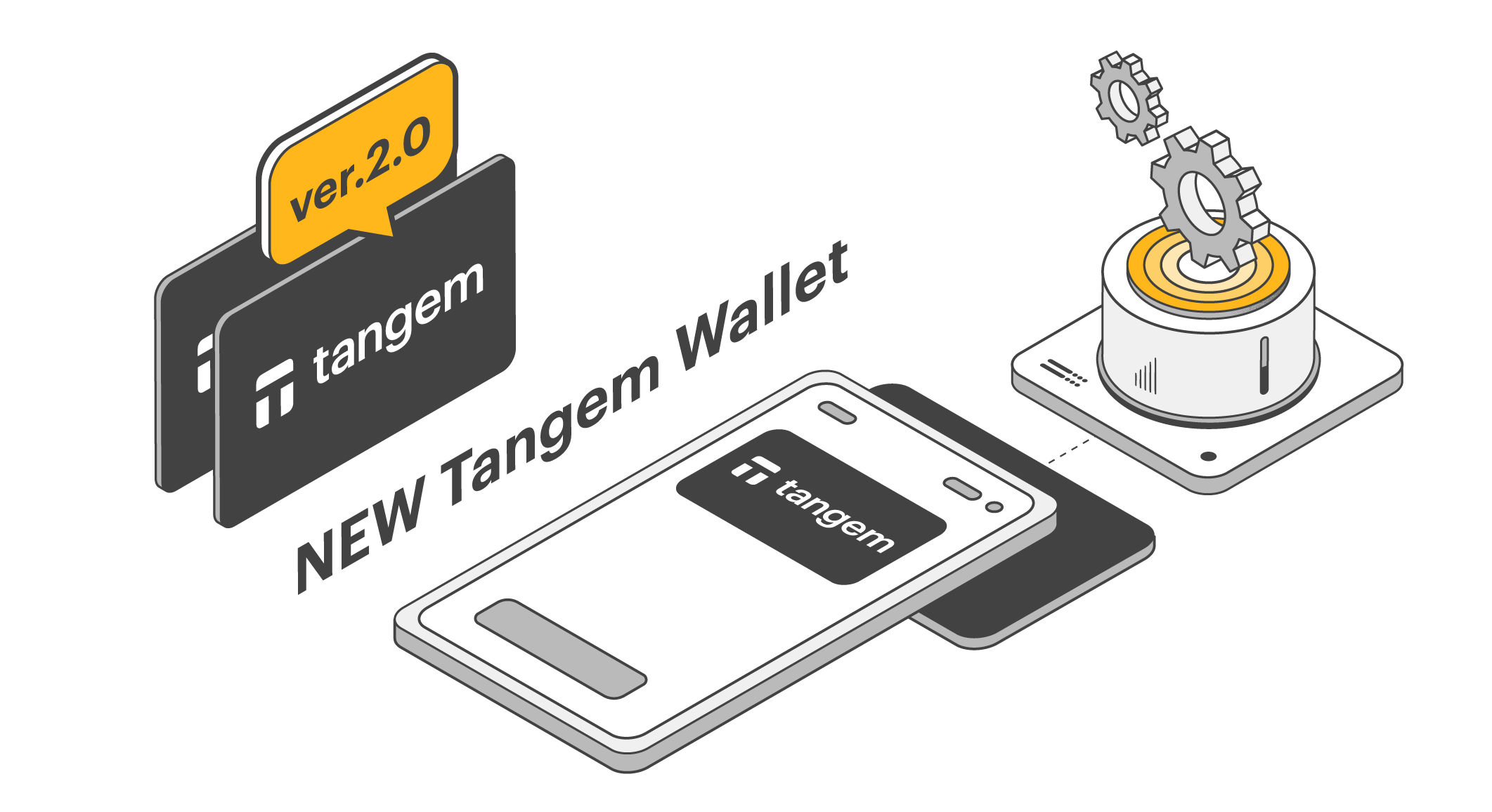
How card wallets actually work — in plain terms
Tap. Approve. Done. Those are the verbs. The card contains a secure element that holds your private key and performs cryptographic signing on demand. Your phone acts as a bridge, giving a transaction to the card and receiving a signed response. For many people that’s all they need to know. Hmm… my first demo felt almost magical.
Dig a little deeper and you see the design choices. Does the card allow transaction previews? Does it show amounts and destination addresses on a built-in screen? Some cards do, many do not. Those that don’t rely on your phone app to show details, which puts trust into UI integrity. That’s a nuance most guides skip, but it’s very very important.
Recovery is another hairy topic. If you lose the card, what then? Different card wallets take different approaches. Some use multiple cards as shards, some provide paper backup, others lean on mnemonic seeds. I’m biased toward hardware-native recovery, but I’m not 100% sold on any single method. It depends on your threat model and how comfortable you are with backups.
Okay, so here’s a practical note: I recommend checking the card vendor’s documentation and support for recovery workflows. For a hands-on example and a good starter product page, look at Tangem Wallet—it’s a well-known card-based solution that walks you through pairing, signing, and recovery strategies in plain language. https://sites.google.com/cryptowalletextensionus.com/tangem-wallet/
Who should consider a card wallet?
If you use crypto casually and you worry about account hacks, a card wallet is appealing. If you move sizeable funds sometimes and want a fast signing flow at home or on the go, card wallets hit a sweet spot. If you are a seasoned opsec person who insists on air-gapped environments and multisig everywhere, you might still prefer dedicated hardware like an air-gapped HSM or multisig setup. On the other hand, card wallets scale well for families and small teams because the UX lowers the friction to use cold keys.
One thing bugs me about many beginner guides: they frame cold storage as some mythical fortress you must laboriously tend. That’s not wrong, but it scares people away. A card wallet says: you can have strong custody without turning into a security hermit. That matters in real life. People forget keys or lose pieces, and the simpler the physical form factor, the fewer lost keys.
Practical trade-offs you should weigh
Durability. Cards are thin and often waterproof, but they can be bent or demagnetized if you treat them like a grocery receipt. Buy a sleeve or a metal protector if you’re rough on stuff. Also think about NFC reliability—older phones sometimes act flaky. In airports, TSA isn’t interested in your crypto (most agents don’t understand it at all), but you might want to keep your backup separate from travel documents to avoid accidental checks. (Oh, and by the way…)
Privacy. A physical card doesn’t broadcast your identity, but how you pair it and where you use it can leak metadata. If privacy is your top concern, combine a card wallet with good network hygiene. Use trusted wallets, avoid linking personal accounts to on-chain activity you want private, and consider mixing or coin-joining where appropriate. I’m not advocating anything illegal—just saying privacy is a stack and cards are one layer of it.
Supply chain trust. If you buy a card off an unknown vendor or a third-party marketplace, you increase risk. Cards are built on secure chips, firmware, and distribution practices. Look for vendors with transparent audits, firmware update policies, and a good track record. Manufacturers who publish crypto audits and provide reproducible build processes are worth a premium.
Real-world setup tips
Start by testing with a small amount. Really. Send a trivial amount and practice the restore process. That will show you any UI surprises, pairing quirks, or recovery gaps. Practice until the flow becomes muscle memory. Also: label cards and backups clearly and store them separately—if you have two cards, keep them in separate safe places so a single accident doesn’t ruin everything.
Make sure you understand what “signing” means in your chosen stack. Some wallets show transaction previews; some show only raw data. Double-check the address and amount, and if you’re ever unsure, pause and return later. This is where a second device or a printed address list can help; it adds friction, but it can also prevent very costly mistakes.
A quick note on NFC and interoperability
NFC is convenient but not universal. Some phones (old Androids, older iPhones without NFC support for third-party apps) may not pair smoothly. Also, wallet apps vary in how they interpret card signatures. This can create interoperability gaps when a given card is supported by only a handful of apps. If you like flexibility, confirm your card works with your preferred wallet apps ahead of purchase.
FAQ
Is a card wallet as secure as a hardware wallet device?
It depends. Cards with a certified secure element offer comparable cryptographic guarantees for key storage. The real differences are in features like screen-based transaction verification and firmware transparency. A dedicated hardware wallet with a screen may show more transaction details, but a well-designed card reduces attack surface in other ways.
What if I lose my card?
Recovery depends on the product. Some cards let you create multiple cards as redundant keys; others provide a mnemonic backup or a recovery service. Always read the recovery policy and test it. Losing a card without a recovery plan can mean permanent loss, somethin’ many people forget until it’s too late.
Can I use a card wallet for DeFi and smart contracts?
Yes, many card wallets support signing contract interactions, but UX varies. Complex DeFi interactions may require careful previewing of function parameters. If you’re doing advanced on-chain work, pair the card with tooling that shows full calldata human-readably, or use a multisig that adds an extra verification layer.
So yeah—card wallets are not a panacea, but they are a pragmatic, low-friction way to put key custody back into your control. I’m biased, but I think they lower the entry barrier in a meaningful way without sacrificing core security for many common users. Try one out with a small amount, test recovery, and see if it sticks for your day-to-day. Somethin’ about carrying a secure key that fits in your wallet just feels right.
